
Cervical Cancer Screening
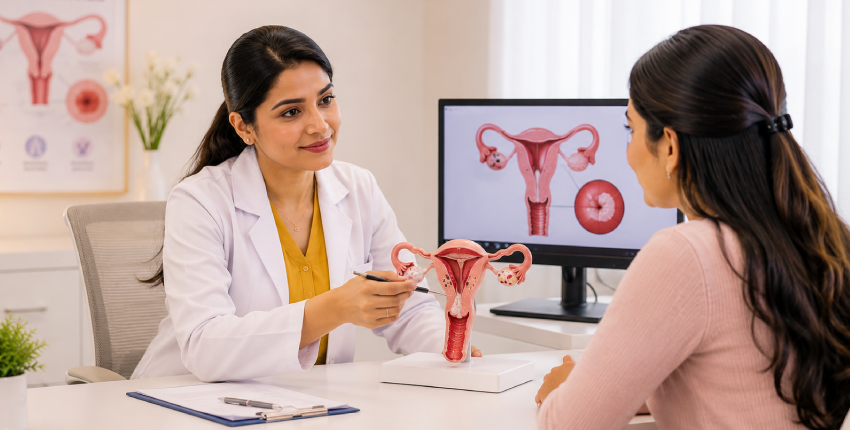
Cervical Cancer Screening in Karimnagar
Simple Tests That Catch Problems Long Before They Become Serious
Cervical cancer screening in Karimnagar at Dr. Prathista Clinic is a simple, quick process that looks for early cell changes in the cervix, long before they turn into cancer. Most women feel no symptoms at all during the early, most treatable stage, which is exactly why regular screening matters more than waiting for warning signs.
Why Regular Screening Matters
Cervical cancer develops slowly, often over several years, starting with small changes in cervical cells that are usually caused by persistent HPV infection. These early changes rarely cause any symptoms. A screening test can identify them at a stage when simple, effective treatment is still possible, which is why doctors recommend screening on a set schedule rather than waiting until something feels wrong.
Recommended Screening Schedule
| Age Group | Recommended Test | How Often |
|---|---|---|
| 21 to 29 years | Pap smear (cervical cytology) | Every 3 years |
| 30 to 65 years | Pap smear with HPV co-testing, or HPV test alone | Every 3 to 5 years, based on test type |
| Above 65 years | Based on prior screening history | As advised after review with your doctor |
| Any age, higher risk | More frequent testing | As recommended after individual assessment |
Pap Smear and HPV Testing, Explained
| Test | What It Checks | What to Expect |
|---|---|---|
| Pap Smear | Looks for abnormal or precancerous cells on the cervix | A quick sample is collected from the cervix during a routine pelvic exam |
| HPV DNA Test | Checks for high-risk HPV strains linked to cervical cancer | Often done using the same sample collected during a pelvic exam |
| Co-Testing | Combines both tests for a more complete picture | Recommended for many women between 30 and 65 years |
Factors That Increase Risk
- Persistent infection with high-risk strains of HPV
- Not having been screened regularly, or ever
- Smoking
- A weakened immune system
- Long-term use of certain contraceptive methods
- Multiple childbirths or early first pregnancy
- A family history of cervical cancer
Do Not Wait for Symptoms
Early cervical cell changes usually cause no symptoms, which is the main reason routine screening is recommended even when you feel completely well. That said, please consult us promptly if you notice:
- Unusual vaginal bleeding, including after intercourse or between periods
- Bleeding after menopause
- Unusual or persistent vaginal discharge
- Pelvic pain not related to your menstrual cycle
What to Expect at Your Visit
Your screening visit at Dr. Prathista Clinic is quick, private and handled with care. After a short conversation about your health history, the test itself takes only a few minutes as part of a routine pelvic examination. Most women return to their normal activities immediately afterward. Results are explained to you clearly, and if any follow-up is needed, we guide you through the next steps without unnecessary worry or delay.
Frequently Asked Questions
Does an abnormal result mean I have cancer?
No. Most abnormal results point to minor cell changes or an HPV infection, not cancer. These are usually monitored or treated early, well before they could ever develop into cancer.
Is the test painful?
Most women feel mild, brief discomfort at most. The test itself takes only a few minutes.
I have received the HPV vaccine. Do I still need screening?
Yes. The vaccine protects against the most common high-risk HPV strains, but not all of them, so regular screening is still recommended.
Can I get screened during my period?
It is best to schedule your test when you are not menstruating, as this gives the most accurate results. Our team can help you plan the right timing.

Dr. Prathista Rao
Consultant Obstetrician & GynecologistExperienced gynecologist providing advanced care in fertility, high-risk obstetrics, laparoscopic surgery, and women’s wellness.
Book an Appointment