
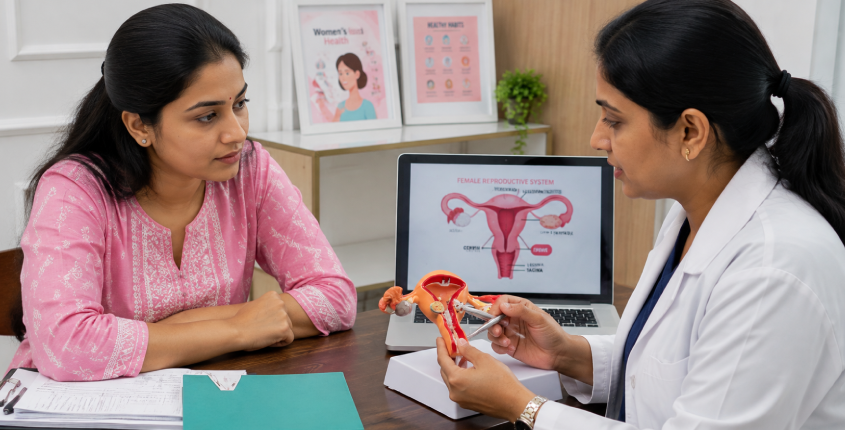
When Should You Consult a Fertility Specialist?
Starting a family is an exciting journey, but getting pregnant may take longer than expected for some couples. If you have been trying to conceive without success, it is natural to have questions about your fertility.
Knowing when to consult a fertility specialist can help you understand whether there may be an underlying fertility issue and whether you would benefit from an evaluation.
Fertility problems can affect women, men, or both partners. The good news is that many causes of infertility can be identified and managed with appropriate medical care.
How Long Should You Try Before Seeking Fertility Help?
The right time to seek a fertility specialist depends mainly on the woman’s age and medical history.
- Under 35: Consider a fertility evaluation after 12 months of regular, unprotected intercourse without pregnancy.
- 35 to 39: Consider evaluation after 6 months of trying without success.
- 40 or older: It may be appropriate to seek fertility advice sooner rather than waiting.
These timeframes are general guidelines. If you already have a condition that may affect fertility, you may not need to wait.
You May Need a Fertility Consultation Earlier If…
Sometimes, certain symptoms or medical conditions indicate that an earlier infertility evaluation may be useful.
Irregular Menstrual Cycles
Your menstrual cycle can provide important information about ovulation. Very irregular periods, extremely long cycles, or missing periods may indicate that ovulation is not occurring regularly.
Conditions such as PCOS, thyroid disorders, significant weight changes, and other hormonal problems can affect ovulation.
If your periods are consistently irregular, talk to a gynecologist rather than waiting several months before seeking advice.
Severe Period Pain
Very painful periods should not always be considered normal.
Severe menstrual pain, chronic pelvic pain, or pain during intercourse can sometimes be associated with conditions such as endometriosis, which may affect fertility.
If you experience persistent pelvic pain or have already been diagnosed with endometriosis, discuss your fertility plans with your doctor.
Previous Pelvic Surgery
Previous surgery involving the ovaries, fallopian tubes, uterus, or pelvis may sometimes affect fertility.
If you have had pelvic surgery and are planning pregnancy, a fertility consultation can help assess your reproductive health and determine whether further evaluation is appropriate.
Previous Pregnancy Complications
If you have experienced repeated pregnancy losses, an ectopic pregnancy, or other significant reproductive complications, discussing your history with a fertility specialist may be beneficial.
Your doctor can determine whether additional testing is appropriate based on your individual history.
Age and Fertility
Age is one of the important factors affecting female fertility.
As women get older, both the number and quality of eggs generally decline. This can make conception more difficult and may increase the risk of miscarriage and certain pregnancy complications.
This does not mean that pregnancy after 35 is impossible. Many women conceive naturally and have healthy pregnancies. However, if you are 35 or older and have been trying to conceive, it is reasonable to seek professional advice sooner.
Women over 40 may benefit from discussing fertility with a doctor before or soon after beginning to try for pregnancy.
Male Fertility Also Matters
Fertility is not only a woman’s concern.
Male factors contribute to a significant proportion of infertility cases. Problems involving sperm count, sperm movement, sperm shape, hormonal health, or other reproductive factors may affect conception.
For this reason, both partners should be considered during fertility evaluation.
A semen analysis is a commonly used initial test for assessing male fertility.
What Fertility Tests May Be Recommended?
There is no single fertility test that can identify every cause of infertility. Testing is selected according to your symptoms and medical history.
Possible tests may include:
Ovulation Assessment: Your doctor may evaluate whether you are ovulating regularly. This may be assessed through menstrual history, ultrasound, or selected blood tests.
Ultrasound: A pelvic or transvaginal ultrasound can provide information about the uterus and ovaries and may help identify conditions such as fibroids, ovarian cysts, or other abnormalities.
Ovarian Reserve Testing: In selected situations, tests may be used to assess ovarian reserve. These results provide useful information but cannot independently predict whether a woman will become pregnant.
Fallopian Tube Testing: Tests such as HSG may be recommended to determine whether the fallopian tubes are open.
Semen Analysis: A semen analysis can provide information about sperm count, movement, and other characteristics and is an important part of evaluating a couple for infertility.
Why Early Fertility Evaluation Can Help
Waiting too long to seek help may not always be beneficial, particularly when age or an existing medical condition is involved.
A fertility evaluation can help you understand:
- Whether you are ovulating
- Your reproductive health
- Possible factors affecting conception
- Whether your partner needs evaluation
- Whether additional tests are required
- What treatment options may be appropriate
The purpose of evaluation is to provide information and create a treatment plan based on your individual needs.
When Should You Definitely Talk to a Fertility Specialist?
Consider seeking fertility advice if:
- You have been trying to conceive for 12 months and are under 35.
- You have been trying for 6 months and are 35 or older.
- You are over 40 and planning pregnancy.
- Your periods are irregular or absent.
- You have PCOS or suspected ovulation problems.
- You have endometriosis.
- You have had pelvic or reproductive surgery.
- You have experienced repeated pregnancy losses.
- You have a known reproductive health condition.
- Your partner has a known or suspected fertility problem.
- You are concerned about your fertility for any other reason.
Take the First Step Toward Understanding Your Fertility
Difficulty conceiving does not always mean that something is seriously wrong. However, understanding the possible causes can help you make informed decisions about your reproductive health.
If you are wondering when to see a fertility specialist, the answer depends on your age, medical history, menstrual cycle, previous pregnancies, and how long you have been trying to conceive.
At Dr. Prathista Clinic, fertility evaluation is tailored to the individual needs of each woman and couple. Appropriate assessment can help identify potential fertility concerns and guide you toward suitable treatment options.
If you are planning pregnancy or having difficulty conceiving, book an appointment with Dr. Prathista Clinic for personalized fertility guidance.